Please note that this blog is archived and outdated. For the most current information click here!
Safety First: Tackling Security Threats in Cloud Computing
Cloud services have become invaluable for businesses of all sizes with the benefits they present. Decreased infrastructure costs, continuous delivery, access to wider markets and better interaction with mobile apps are all advantages of cloud computing. So why is it that some companies remain sceptical about moving to the cloud?
74% of IT executives and CIO's cited cloud computing security as the top challenge preventing their adoption of the cloud services model. There's been this negative publicity surrounding the cloud following some serious data leaks by major corporate entities. I'm sure you've heard about Equifax, one of the largest credit bureaus in the US, that had a data breach leaking personal information of over 14.9 million consumers. This prompted widespread criticism and a general belief that moving to the cloud is unsafe. However for the most part, these security concerns are preventable.
Software as a Service is a form of cloud computing where applications are hosted by the service provider and made available to clients over the internet. In SaaS, the client has to depend on the provider for proper security measures. The provider must ensure that multiple users do not see each other's data. SaaS is concerned with substituting applications, hence providers must ensure they preserve the security functionality provided by the legacy application in order to achieve a successful data migration. For more on migrating applications to the cloud.
Data Security
In the SaaS model, the enterprise data is stored outside the enterprise boundary. Because the data is stored at the vendor's end, they must remain accountable for conducting additional security checks to ensure data security. In order to overcome this vulnerability, vendors use assessments to test and validate the security of the data. Some assessments include, but are not limited to, cross site scripting, OS and SQL injection flaws, cross-site request forgery and cookie manipulation. The range of assessments and tests highlight the importance of a reliable vendor when moving to the cloud.
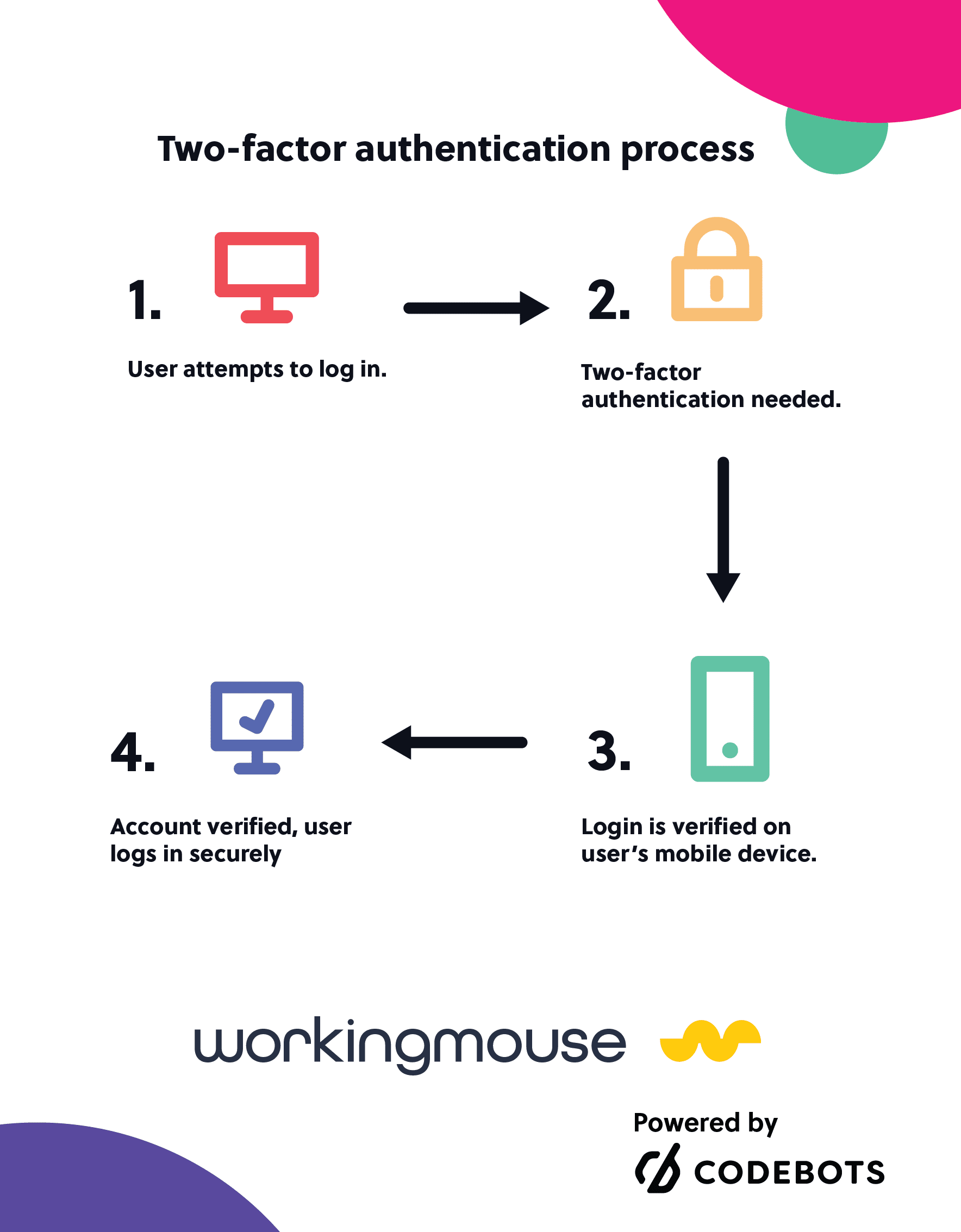
Vendors that offer a high level of security will also offer two-factor authentication tools (2FA) for user logins, to protect users from data leaks. These 2FAs require a second verification, beyond a password, for a person to login to an account. An example would be a code sent to your phone, or a thumbprint scan. This type of verification cannot be replicated by someone who obtains data leaked by the cloud.



.png)